Personal Year Numbers: What Your Year Ahead Looks Like in Numerology
6 min read
Part of our complete guide: Numerology: Life Path Numbers and What They Mean
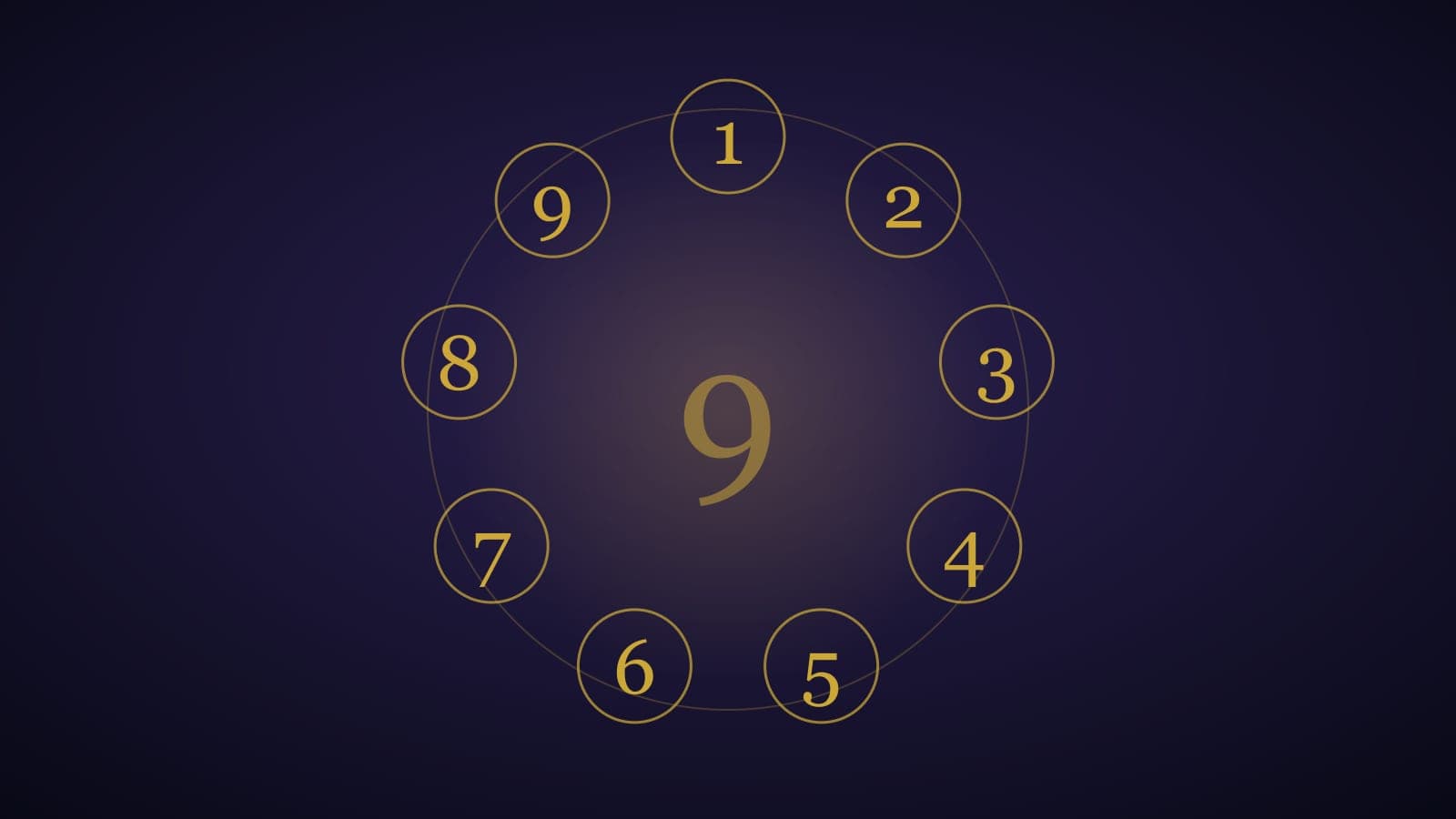
While your life path number stays with you for life, your personal year number changes every year. Numerologists see life as running in nine-year cycles, with each year carrying its own theme, from new beginnings to completion.
Loe uses the personal year as a way of thinking about timing: what a year may be good for, and what may be better left for another. This guide shows how to work out your personal year, and what each of the nine years is about.
Feel like some years are for pushing forward and others for holding steady, and wish you knew which was which?
- You want to work out which personal year you are in.
- You are planning a big decision and want another perspective on timing.
- You want to understand the nine-year cycle.
Loe explains the cycle in plain language and treats your personal year as a guide to themes, not a timetable you must follow.
How to Calculate Your Personal Year Number
Add together the day and month of your birth and the current calendar year, reducing each to a single digit before you add them up. The result, reduced to a single digit again, is your personal year number.
Here is an example for someone born on 14 March, in the year 2026. The day is 14, and 1 + 4 = 5. The month is March, so 3. The year is 2026, and 2 + 0 + 2 + 6 = 10, and 1 + 0 = 1. Add the three: 5 + 3 + 1 = 9. That person is in a personal year 9 in 2026.
Some numerologists change the year on 1 January and others on your birthday, so it is worth knowing which convention you are using. Loe will explain the method and can check your number.
The Nine Personal Years in Brief
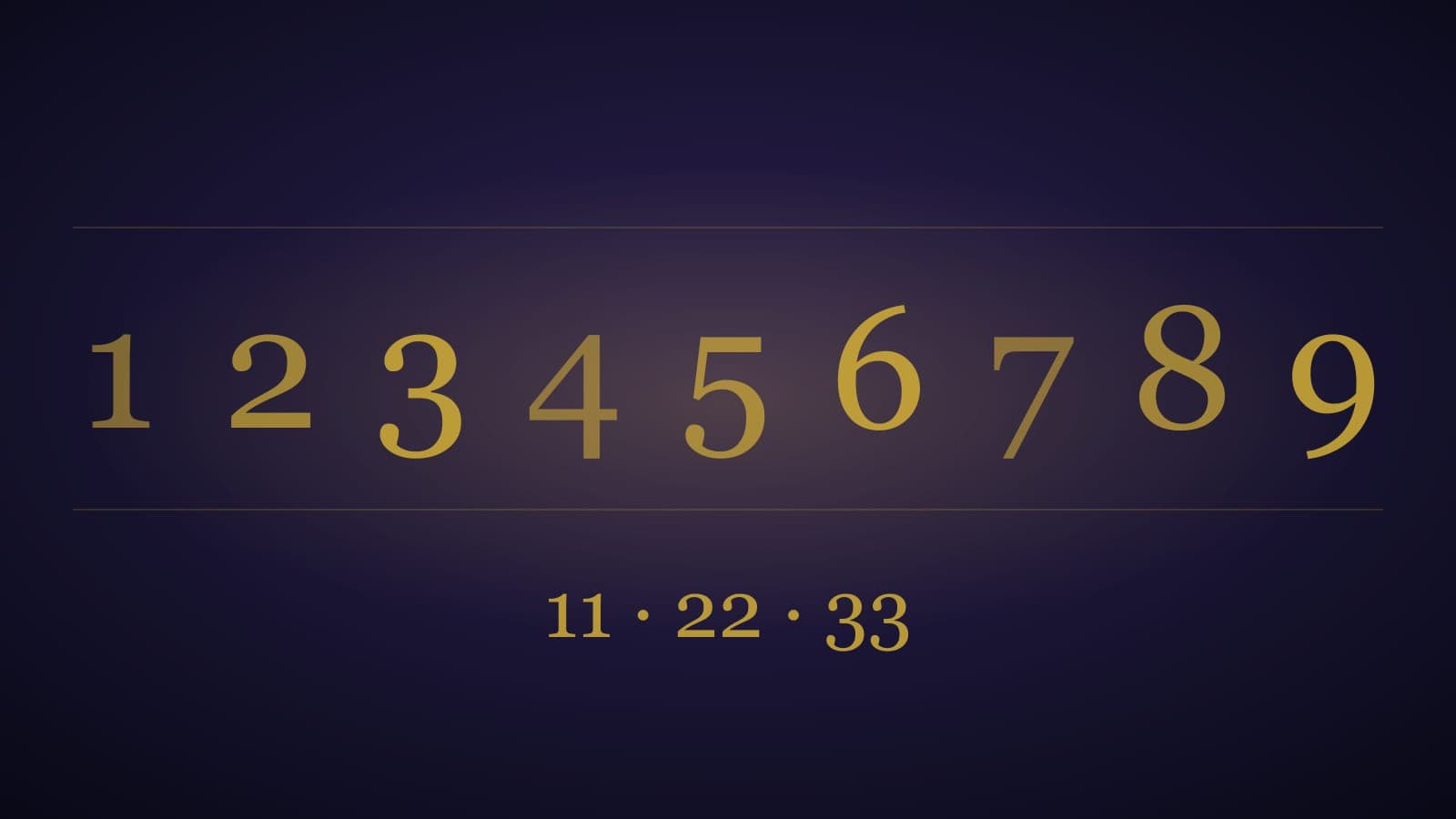
Year 1 is a time of new beginnings and planting seeds. Year 2 asks for patience, cooperation and letting things develop. Year 3 is expressive and social, good for creativity and connection.
Year 4 is about building foundations, working steadily and dealing with practical matters. Year 5 brings change, movement and freedom, and asks you to stay adaptable. Year 6 turns toward home, relationships and responsibility.
Year 7 is a quieter year for reflection, study and rest. Year 8 is associated with achievement, finances and taking authority. Year 9 is a year of completion, when things that have run their course come to an end and make room for the next cycle.
Planning Around Your Cycle
The personal year is best used to shape your expectations. In a year 1 you might start a project, in a year 4 you might focus on saving and organising, and in a year 9 you might clear out what no longer serves you. It does not stop you doing other things.
If your year does not suit something you want to do, that does not mean you cannot do it. It may just mean the effort will feel different, or that you should give it extra care. A personal year is a description of the general flavour of the year, not a rule.
After year 9 the cycle starts again with year 1. In the example above, the same person would move into a personal year 1 in 2027, since 5 + 3 + 2 (from 2 + 0 + 2 + 7 = 11, and 1 + 1 = 2) is 10, which reduces to 1.
Key Benefits of Working with Your Personal Year:
- Realistic expectations: Understand why some years feel like starting and others like finishing.
- Better timing: Match big efforts to years that suit them, while staying flexible.
- Patience: Recognise quieter years as part of the cycle, not a setback.
Common Mistakes When Using Your Personal Year
The most common mistake is treating a personal year as a deadline or a rule. A year 1 does not oblige you to start something new, and a year 7 does not mean you must stay home. Life carries on, and the year describes a background mood, not a schedule.
Another is comparing years. A year 4 is not worse than a year 3 just because it is quieter and more practical. Building foundations in a year 4 is often what makes the freedom of a year 5 possible.
A third is expecting drama. Some people expect a year 9 to be an upheaval, when it may simply be a year of tidying up and letting go. And finally, do not let a number stop you from taking practical steps. If something needs doing this year, do it.
Why Choose Loe for Your Personal Year Numbers
- Experienced practice: Loe works with numbers alongside astrology and readings, and explains each calculation step by step so you can follow it.
- Ethical practice: Numerology is offered as a lens for reflection, never as fear-based prediction or a way to pressure you into decisions.
- A personalized approach: Your numbers are read against your real circumstances, not handed to you as a generic list of traits.
- Ongoing guidance: Loe is available for follow-up readings as your personal year and your questions change.
FAQs About Loe's Personal Year Numbers
How do I know which personal year I am in?
Add the reduced day and month of your birth to the reduced current year, and reduce the total to a single digit. The example in this guide shows each step, and Loe can check your number for you.
Does my personal year change on 1 January or on my birthday?
Conventions differ. Many numerologists change the year on 1 January, while others change it on your birthday. It is worth choosing one and applying it consistently, and Loe can explain both.
What if my personal year is a difficult one?
Every year in the cycle has its own challenges and strengths, and none is good or bad. A quieter year such as 7 is often best used for rest and reflection, and a year such as 9 for closing things down properly.
Can I make big decisions in the wrong year?
Yes. A personal year describes a general theme and does not forbid anything. It can help you think about timing and preparation, but practical considerations should come first.
Is a personal year the same as a life path number?
No. Your life path number stays the same for life. Your personal year changes every year and moves through a nine-year cycle.
Can numerology predict what will happen this year?
No. It describes themes and tendencies, not specific events. Loe treats it as a way of reflecting on the year, and will be upfront about what it cannot tell you.
What is a universal year?
The universal year is the number of the calendar year itself, worked out by reducing its digits. For 2026, 2 + 0 + 2 + 6 = 10, which reduces to 1, so numerologists call it a universal year 1. It describes a shared background theme that sits alongside your own personal year.
Does a personal year 1 always mean starting something new?
Not always. It is a year that favours new beginnings, but many people use it to make small changes, tidy up their plans, or simply become clearer on what they want. Use the theme as a prompt, not an obligation.
Ready to Talk to Loe?
Message Loe on WhatsApp and get guidance tailored to your specific situation.
 WhatsApp Loe about my personal year