
Throwing the Bones: How Traditional Divination Works
6 min read
Part of our complete guide: Ukuthwasa: Understanding the Calling to Become a Sangoma
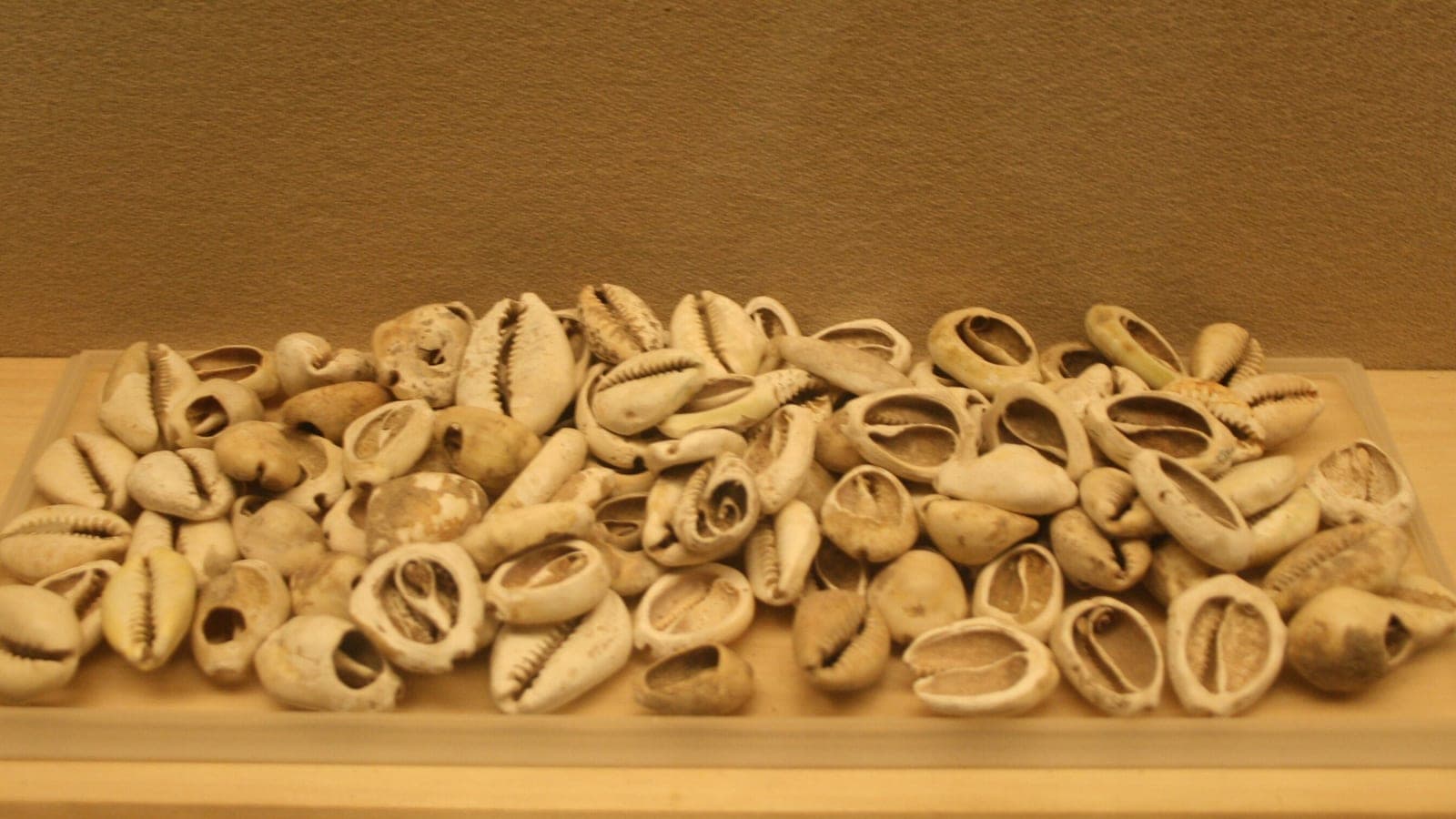
Throwing the bones is one of the best-known forms of traditional divination in Southern Africa. A diviner casts a set of small objects, usually including bones, shells and stones, and interprets how they fall in order to offer insight into a person's situation.
Loe explains here what a bone reading involves so you know what to expect, and what it can and cannot do.
Curious about traditional divination but unsure what actually happens in a consultation?
- You want to understand what a bone reading involves before you book.
- You have a family, health or life question you would like perspective on.
- You want a respectful, honest consultation.
Loe explains the process step by step and stays honest about what a reading can offer, so you feel comfortable from the start.
What Is in a Bone Set
A traditional set often contains a collection of small objects such as bones, shells and stones, each carrying its own meaning. The diviner throws them onto a mat and reads their positions, both individually and in relation to each other.
The reading is understood as guided by the ancestors, and interpretation draws on the diviner's training, tradition and insight into the person's situation.

Key Benefits of a Traditional Reading:
- A traditional perspective: Approach your question through a long-standing method of divination.
- Personal insight: Explore what may be affecting your family, wellbeing or path.
- Guidance on next steps: Identify respectful actions you can consider.
What to Expect from a Consultation
A consultation is a conversation. Loe will explain how the reading works, cast the bones, and talk through what the pattern suggests, checking with you along the way whether it fits your situation.
Loe is clear that divination offers guidance, not certainty. For health, legal or safety concerns, a reading is a supplement to, and never a substitute for, proper professional advice.
Key Benefits of an Honest Consultation:
- No pressure: Take the guidance at your own pace and decide what to do with it.
- Clear explanation: Understand what each part of the reading is saying and why.
- Realistic expectations: Know from the start what divination can and cannot do.
How a Bone Reading Unfolds
A reading usually begins with a conversation. The diviner explains how the process works, asks what has brought you, and then casts the set onto a mat. Practices vary between diviners and traditions, so what follows is a general outline.
The diviner then reads the pattern. Which pieces landed close together or far apart, which fell face up or face down, and which landed near the centre or at the edge can each carry meaning, and the meaning of each piece is read in relation to the others.
Throughout, the reading is a conversation. The diviner shares what they see, and you respond. This back and forth is part of how a good reading develops, and you are free to ask questions or to say when something does not fit.
How Bone Throwing Differs from Other Methods
Bone throwing is a distinct tradition with its own training, symbols and ways of reading. It is different from tarot, which uses a fixed deck of illustrated cards, and from astrology, which works from your birth chart.
Some people use more than one method, for example a reading with the bones for a family or ancestral question and a tarot reading for a decision. Each has its own strengths and its own way of framing a question.
Loe is clear about which tradition a given reading draws on, so that you know what you are getting and can choose the approach that suits your question.
Key Benefits of Choosing the Right Method:
- A good fit: Match the method to the kind of question you have.
- Clear expectations: Know what each tradition offers and how it works.
- Respect for tradition: Approach each method on its own terms.
Questions to Ask Before You Consult a Diviner
It is reasonable to ask a few questions before you book. How does the diviner work, and what should you expect? What will the consultation cost, and is that clear from the start? Do you feel comfortable, respected and free to say no?
Be wary of anyone who claims to know everything about you without listening, who tries to frighten you into paying more, or who tells you to stop seeing a doctor. A reading is guidance, not a medical diagnosis, and a good diviner will say so.
It can help to write your questions down beforehand so nothing is forgotten in the moment, and you are welcome to bring a trusted family member or friend for support. You are always free to pause, ask for clarification, or end the session if you feel uncomfortable.
Why Choose Loe for Your Throwing the Bones
- Rooted in tradition: Loe's practice is grounded in sangoma tradition and treats ancestral matters with the respect they deserve.
- Ethical practice: Loe will never use fear or claims of curses to pressure you, and encourages medical care alongside any spiritual guidance.
- A personalized approach: Every family and every calling is different, so guidance is shaped around your own story and circumstances.
- Ongoing guidance: Loe is available for follow-up consultations as your situation unfolds and you decide on next steps.
FAQs About Loe's Throwing the Bones
What does throwing the bones involve?
A diviner casts a set of small objects, often including bones, shells and stones, onto a mat and reads how they fall. The interpretation draws on tradition and the diviner's insight into your situation, and is discussed with you as a conversation.
Can throwing the bones tell me exactly what will happen?
No. Divination offers guidance about the energies and influences around your situation, not a fixed prediction of the future. Your own choices and circumstances continue to matter, and Loe will be upfront about what a reading can and cannot show.
Can it diagnose an illness?
No. A bone reading is not a medical diagnosis. If you have any health symptoms, please see a doctor or qualified health professional. Loe encourages this and treats spiritual guidance as a supplement to healthcare.
Do I need to tell the diviner my problem first?
Practices differ, and Loe will explain how a consultation works before you begin. You are always free to share as much or as little as you are comfortable with.
How should I prepare for a reading?
Come with an open mind and a sense of what you would like perspective on. There is no need to prepare anything special, and Loe will guide you through the process.
How is bone throwing different from tarot?
Bone throwing is a traditional divination method that reads the fall of a set of objects, while tarot reads a fixed deck of illustrated cards. They have different origins, training and symbolism. Loe will tell you which tradition a reading draws on.
What should I bring to a reading?
Nothing special. Come with an open mind, a sense of what you would like perspective on, and respect for the process. If you would like to know more before you arrive, you can ask Loe when you book.
How often should I consult the bones?
Only when you have a real question. Asking repeatedly about the same matter tends to add confusion. It usually helps to leave time between consultations so you can act on what came up.
Image credits: “Baobab (Adansonia digitata), Makgadikgadi Pans, Botswana” by Diego Delso, CC BY-SA 4.0. Images cropped or resized.
Ready to Talk to Loe?
Message Loe on WhatsApp and get guidance tailored to your specific situation.
 WhatsApp Loe about throwing the bones