

Ukuthwasa: Understanding the Calling to Become a Sangoma
10 min read
In Southern African tradition, ukuthwasa is the calling by the ancestors to become an isangoma (plural izangoma), a traditional healer and diviner. It is understood not as a career choice but as something that finds a person, often bringing a long and demanding period of training under an experienced teacher.
Loe offers guidance to people who suspect they may be experiencing this calling, and to family members trying to understand what is happening to someone close to them. This guide explains what the tradition describes, what to be careful of, and how to move forward at your own pace.
Struggling with dreams, feelings or events you cannot explain, and unsure whether it is something more?
- You have been told you might have a calling and want to understand what that means.
- You have recurring dreams or a persistent sense that something is asking for your attention.
- You want respectful guidance without pressure or fear.
Loe listens first, explains what the tradition says about the calling, and helps you think through your options at your own pace.
What Ukuthwasa Means
Ukuthwasa describes the process of answering the ancestors' call to become a healer and diviner. The person who is called is often referred to as a thwasa or novice, and the process combines spiritual preparation with learning the knowledge, ritual and responsibility of the work.
Because the calling is understood as coming from the ancestors, many families see it as both an honour and a heavy responsibility. It is not something a person chooses, and it is not something to be taken lightly or rushed.
Different families, regions and communities have their own words, customs and ways of doing things, so what you read here is a general outline. Your own family's elders are an important source of guidance.
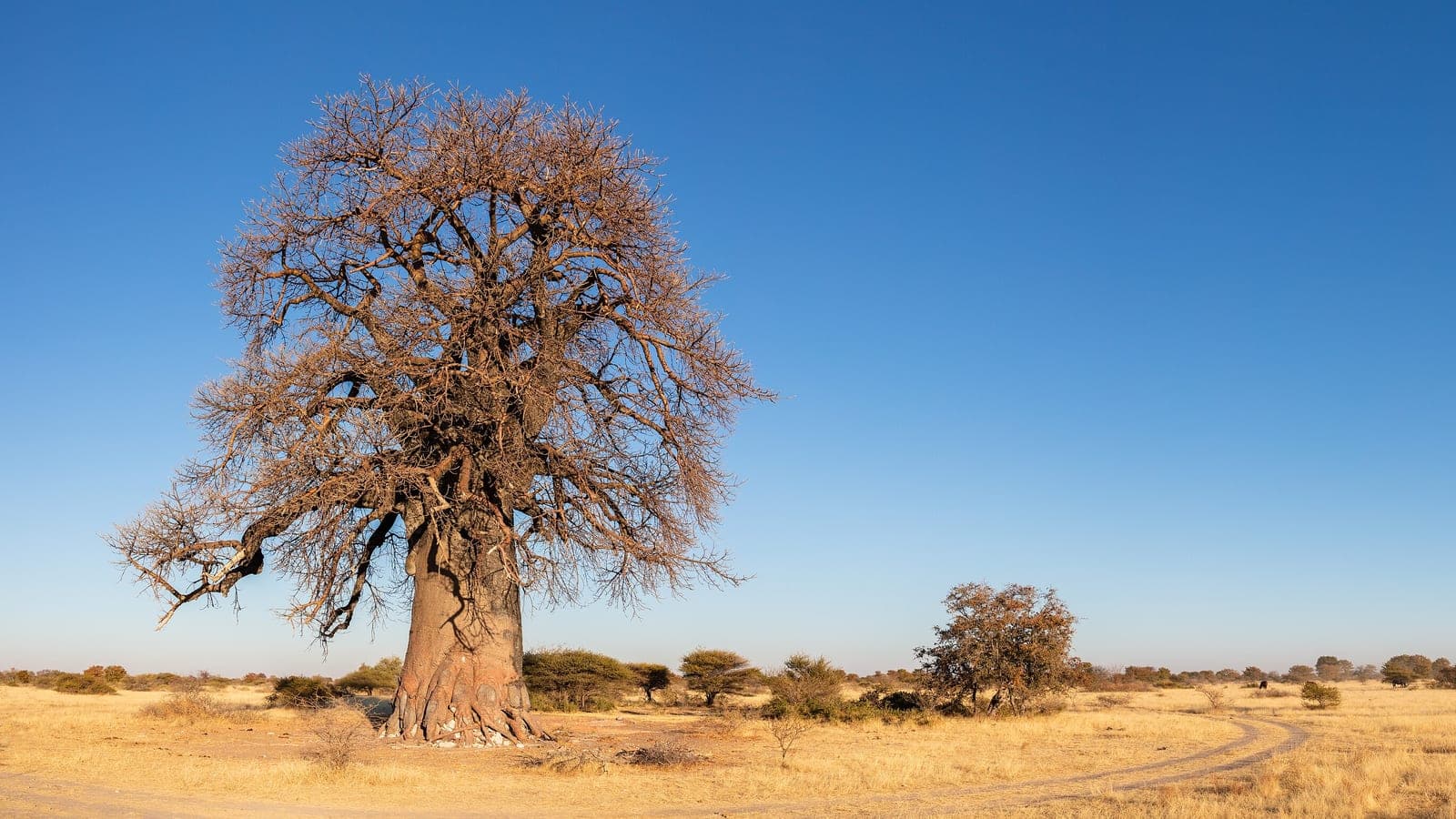
The Role of the Ancestors
In Southern African belief the ancestors, known as amadlozi in Zulu and badimo in Sotho and Tswana, are family members who have passed on but continue to watch over and guide their descendants. They are understood to communicate through dreams, feelings and events.
Many families describe a calling as running through the family line, often traced to an ancestor who was themselves a healer. In this view, the calling is a way for an ancestor's gift to continue through a living descendant.
This is why honouring the ancestors and speaking with family elders is a central part of understanding a calling. You are not making this journey alone; you are part of a lineage.
Honouring the ancestors is also part of ordinary family life, and it does not depend on having a calling. Families remember loved ones in speech and prayer, gather for important occasions, and follow the customs their elders pass down. Doing these things well is often the first and most grounding step for anyone trying to make sense of what they are experiencing.
Signs Traditionally Associated with the Calling
Traditional accounts describe a range of experiences that may point toward a calling, including vivid or recurring dreams, a strong sense of being drawn toward healing and the ancestors, and periods of unexplained distress. Some people describe an awareness of things they have not been told, or a feeling that they are being guided.
These experiences are not proof on their own. Dreams, stress, grief and illness can each produce experiences that feel powerful and confusing, and many people have such experiences without any calling.
For this reason discernment matters. A careful conversation with someone experienced, together with time and your own family's wisdom, is far more reliable than any single sign.
Key Benefits of Understanding the Signs:
- Clarity: Learn what the tradition actually describes so you are not left guessing.
- Perspective: Recognise that a powerful experience is not automatically a calling.
- Calm: Have a framework for what you are going through, so it feels less overwhelming.
Separating a Calling from Illness: Why Medical Care Matters
Some traditional accounts describe periods of illness or distress that accompany a calling. That does not mean that every illness is a calling, and it does not mean that a calling should be treated instead of an illness.
Loe strongly encourages anyone with physical or mental health symptoms to see a doctor or qualified health professional. Persistent headaches, sleeplessness, low mood, anxiety, hearing or seeing things that others do not, and unexplained physical symptoms all deserve proper medical attention.
You do not have to choose between the two. Medical care and traditional guidance can work side by side, and a calling is discerned alongside proper healthcare, never instead of it.
The Journey of Training with a Gobela
Traditionally, a person who is called is trained by a gobela, an experienced healer who guides the novice through the learning and responsibilities of the work. The relationship is close and carries a lot of trust.
Training is a long process that can take years. It commonly includes learning about medicinal plants, divination, ritual practice, and the responsibilities and boundaries that come with being a healer. It usually concludes with a graduation ceremony that marks the person's readiness to practise.
Because so much depends on the relationship with the teacher, choosing one carefully is one of the most important steps in the entire journey.
Choosing a Teacher and Protecting Yourself
Take your time and ask around. A good teacher is usually known and respected in the community, is open about how they train and what they charge, and does not pressure you to decide quickly.
Be wary of anyone who tells you with certainty that you are cursed or in danger unless you pay, who asks for large sums upfront, who cuts you off from your family or from medical care, or who makes you feel afraid to ask questions. These are warning signs, not marks of authority.
South Africa's Traditional Health Practitioners Act of 2007 provides for the registration of practitioners, so it is reasonable to ask whether a teacher is registered. You are also entitled to ask for references and to speak with others they have trained.
Some questions are worth asking before you commit to anything. How long has this person been training others, and can you speak to some of them? What will be expected of you and of your family? What will it cost, and how are those costs decided? What happens if you change your mind, or need to step away for your health or your family? A teacher who welcomes these questions is a good sign, and one who becomes defensive or evasive is worth stepping back from. It can also help to bring a trusted family member with you when you first meet, so that you are not making an important decision alone.
Key Benefits of Choosing Carefully:
- Safety: Protect your health, your money and your wellbeing.
- Trust: Work with someone whose practice is open and respectful.
- Confidence: Move forward knowing you asked the right questions.
What a Consultation with Loe Involves
A consultation with Loe is a conversation, not a performance. Loe begins by listening to what you have been experiencing, in your own words and at your own pace, without interrupting or labelling it.
From there Loe explains what the tradition says about the experiences you describe, where they may point toward a calling, and where they may have another explanation. If anything you describe sounds like a health concern, Loe will encourage you to see a doctor and to keep that care going alongside any spiritual guidance.
Loe will also be honest about what a consultation can and cannot show. Some things become clear in a first conversation, and others only make sense with time, family involvement and proper training. You will not be pressured to decide, to pay for anything you do not understand, or to return before you feel ready.
Key Benefits of an Unhurried Consultation:
- Being heard: Describe what you have been experiencing without being judged.
- Honest guidance: Get a straight answer about what can and cannot be discerned.
- Your own pace: Decide on next steps when you are ready, not before.
Talking to Your Family About a Calling
A calling often affects the whole family, and family elders are usually a key part of the process. Some families are supportive and understand what is happening. Others are worried, sceptical, or hold strong religious views that make the conversation difficult.
It usually helps to speak calmly and to listen as much as you speak. You do not need to have everything worked out, and you do not have to make any decisions in the first conversation.
Loe can help you prepare for these conversations, explain the tradition in plain language for relatives who are unfamiliar with it, and help you think through next steps without forcing any decision.
Why Choose Loe for Your Ukuthwasa
- Rooted in tradition: Loe's practice is grounded in sangoma tradition and treats ancestral matters with the respect they deserve.
- Ethical practice: Loe will never use fear or claims of curses to pressure you, and encourages medical care alongside any spiritual guidance.
- A personalized approach: Every family and every calling is different, so guidance is shaped around your own story and circumstances.
- Ongoing guidance: Loe is available for follow-up consultations as your situation unfolds and you decide on next steps.
FAQs About Loe's Ukuthwasa
How do I know if I have a calling?
No single sign settles it, and Loe will not tell you with false certainty. The tradition describes certain patterns, such as recurring dreams and a strong sense of being drawn to healing, but these can have other explanations. A consultation can help you reflect on your experiences honestly and decide what to do next.
Is a calling the same as an illness?
Not necessarily, and they should never be confused. Some traditional accounts describe distress accompanying a calling, but physical or mental symptoms always deserve proper medical attention. Loe encourages seeing a doctor and treats spiritual guidance as something that works alongside healthcare.
Can I refuse a calling?
This is a serious personal and family question that different families see differently. Loe will not pressure you in either direction, and can talk through what the tradition says and what your realistic options are.
Do I need a gobela to train me?
Traditionally, yes. Training under an experienced teacher is central to the process. Loe can explain what to look for in a teacher and the questions worth asking before committing to anything.
Can a consultation guarantee an answer about my calling?
No. A consultation offers guidance and perspective, not a guaranteed verdict. Loe will be honest about what can be discerned and what only time and proper training will reveal.
How long does ukuthwasa training take?
It varies between teachers, families and individuals, but it is generally a long process measured in years rather than weeks. Be cautious of anyone who promises to complete it quickly.
What if my family disagrees?
This is common. Some relatives are supportive while others are worried or hold different beliefs. It usually helps to be patient, to involve respected elders, and to avoid making major decisions under pressure. Loe can help you think through how to approach the conversation.
Can I see Loe if I am also seeing a doctor?
Yes, and Loe encourages it. Medical care and traditional guidance can work side by side, and you should never stop medical treatment on the advice of anyone, including Loe, without speaking to your doctor.
Image credits: “Makalali Game Reserve (ZA), Sonnenuntergang” by Dietmar Rabich, CC BY-SA 4.0; “Baobab (Adansonia digitata), Makgadikgadi Pans, Botswana” by Diego Delso, CC BY-SA 4.0. Images cropped or resized.
Ready to Talk to Loe?
Message Loe on WhatsApp and get guidance tailored to your specific situation.
 WhatsApp Loe about ukuthwasa and the calling